Esports is not just a gaming universe but also a sector with a massive economy. The consumption habits of esports players differ significantly from traditional consumer behaviors, offering significant opportunities for brands. This article explores the habits, spending trends, and strategies for brands to reach this unique audience.
Esports Players’ Consumption Habits
1. Interest in Digital Content and Technology Products
• Esports players lead a technology-centered lifestyle. They tend to invest in high-performance computers, gaming equipment, headphones, and specialized accessories.
• Example: Players favor powerful graphics cards and high-refresh-rate monitors for a low-latency gaming experience.
2. In-Game Purchases
• Players frequently turn to microtransactions to enhance their in-game experiences. Popular purchases include character skins, special abilities, and in-game advantages.
• Influencing Factors: Limited-time offers often encourage quick spending.
3. Brand Loyalty
• Esports players form a loyal community around the brands they use, especially those endorsed through sponsorships.
• Recommendation: Brands sponsoring esports teams tend to create a more trustworthy image among players.
4. Spending on Subscriptions and Digital Services
• Esports players invest in gaming subscriptions (e.g., Xbox Game Pass, PlayStation Plus) and streaming services (e.g., Twitch, YouTube Premium) to enhance their experiences and community interactions.
• Popular Choices: Premium memberships offer ad-free experiences or access to exclusive content.
5. Consumption of Energy Drinks and Snacks
• To maintain focus during long gaming sessions, esports players often consume energy drinks, coffee, and snacks.
• Brand Collaborations: Brands like Monster Energy and Red Bull effectively reach this audience through esports sponsorships.
Factors Shaping Esports Players’ Consumption Habits
1. Community Influence
• Online communities have a significant impact on esports players. Social media and in-game forums directly influence consumption behaviors.
• Example: Equipment or apparel used by favorite players often becomes a trend among the community.
2. Speed and Convenience
• Esports players prefer fast consumption options. Online shopping, discounted deals, and digital payment methods cater to this preference.
3. Collectibles and Limited-Edition Products
• Limited-edition items and collectibles hold great appeal for esports players, symbolizing status both in-game and in real life.
Opportunities for Brands: How to Reach Esports Players
1. Targeted Advertising Campaigns
• Esports players focus on products that enhance their gaming experiences. Therefore, ads with relevant messages yield higher engagement.
• Suggestion: Design ad campaigns specifically for platforms like Twitch or YouTube Gaming.
2. Sponsorships and Collaborations
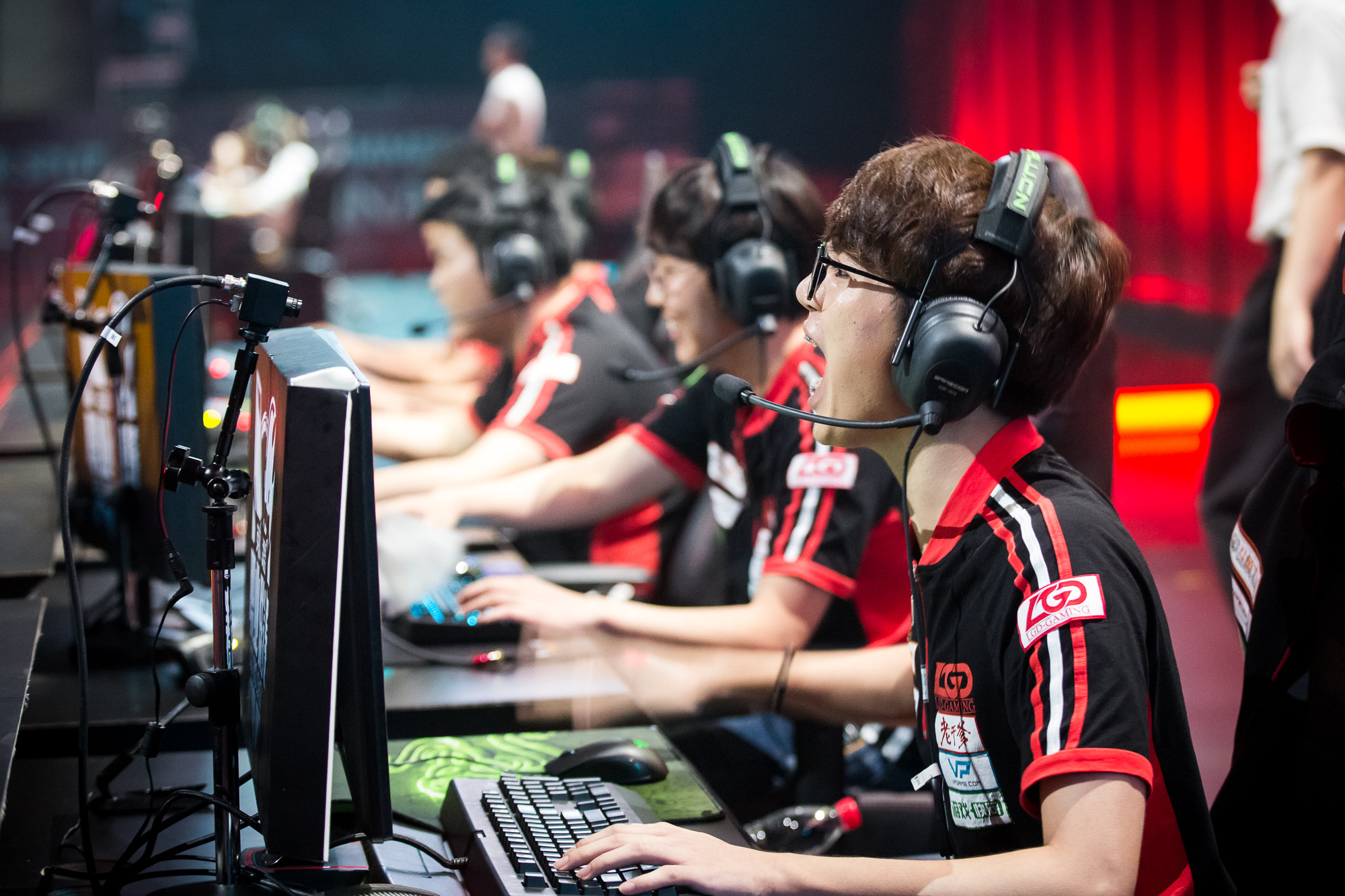
• Partnering with esports teams, tournaments, or individual players is a powerful way to increase brand awareness.
• Example: Brands like Logitech G have solidified their position in the industry through strategic sponsorships.
3. Experiential Marketing
• Players value brand experiences. Sponsoring in-game events or physical esports tournaments fosters player engagement with the brand.
4. Adding Value to the Community
• Esports players highly value a sense of community. Brands can strengthen this bond by organizing contests, offering rewards, or hosting exclusive fan events.
Future Consumption Trends of Esports Players
1. More Sustainable Products
• The younger generation increasingly gravitates toward environmentally friendly and sustainable products. Brands targeting esports players can gain a competitive edge by aligning with this trend.
2. Augmented Reality (AR) and Virtual Reality (VR) Products
• As technology advances, players are expected to invest more in AR and VR equipment, opening new avenues for brands.
3. Increased Personalization
• Esports players show great interest in personalized products, such as custom-designed equipment tailored to individual preferences.
The consumption habits of esports players span a wide range, from technological products and in-game purchases to energy drinks and community influence. To effectively connect with this audience, brands must craft targeted advertisements, engage in impactful sponsorships, and implement experiential marketing strategies. Brands aiming to succeed in the esports industry must understand these behaviors and develop dynamic strategies to capitalize on them.